
Creating double or multiple exposure images
Doing Something Different With Your Photography

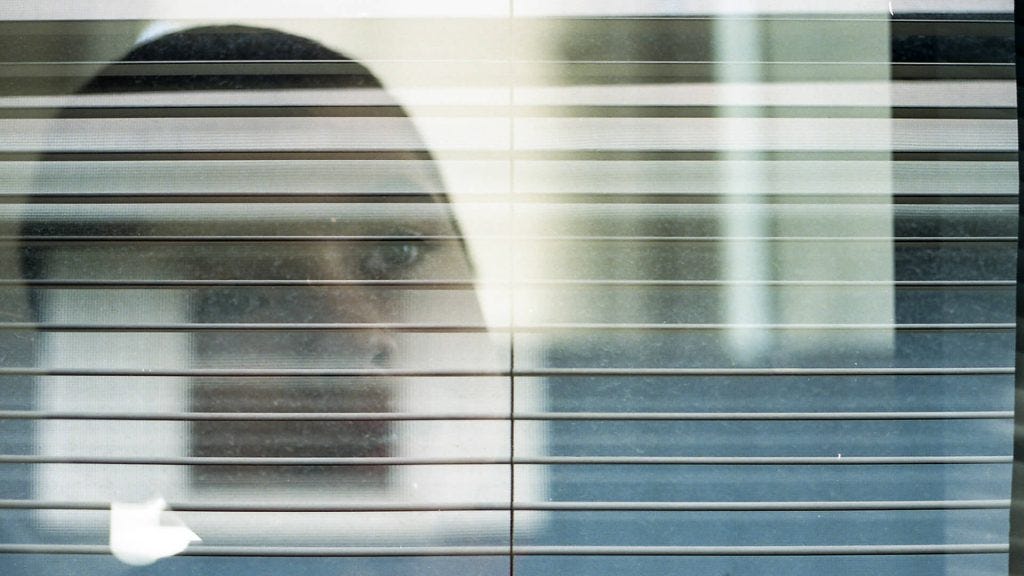
A couple of weeks ago Aminus3 Photography shared Abstracts as his theme for the week. I chose to go down the multiple exposure route by sharing images of one building in Chicago. Several people asked questions or commented on learning this technique. I thought I’d share a quick look at creating multiple exposures and how I tend to go about it.
What is Double or Multiple Exposure?
It’s an image where you create one image, and then create another (or more) on top of it.
There are different ways of doing this and with the cameras we have today, it’s generally easy to make happen.
You can create double or multiple exposures of one subject by moving your camera or yourself in between shots.
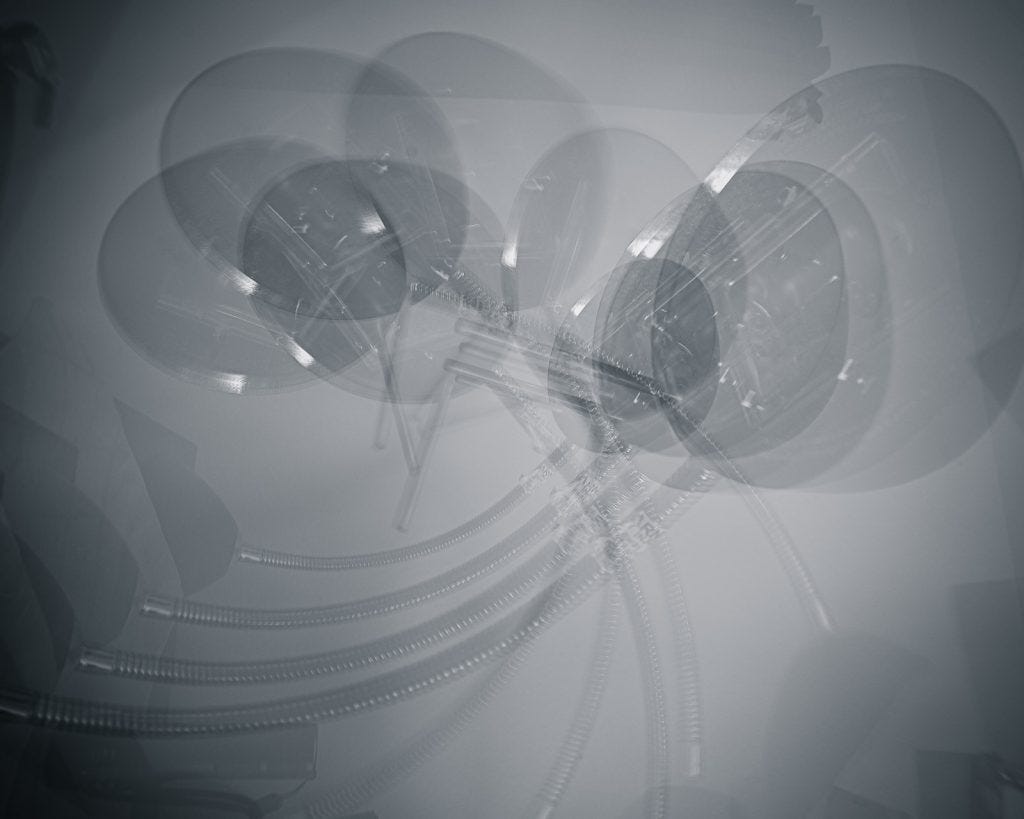
How do you create double or multiple exposures?
Or you can take one photo and then take another photo of a different subject. This can create some very interesting effects.
You can also use any number of plug-ins, apps and post-processing techniques to create your own double/multiple exposures.
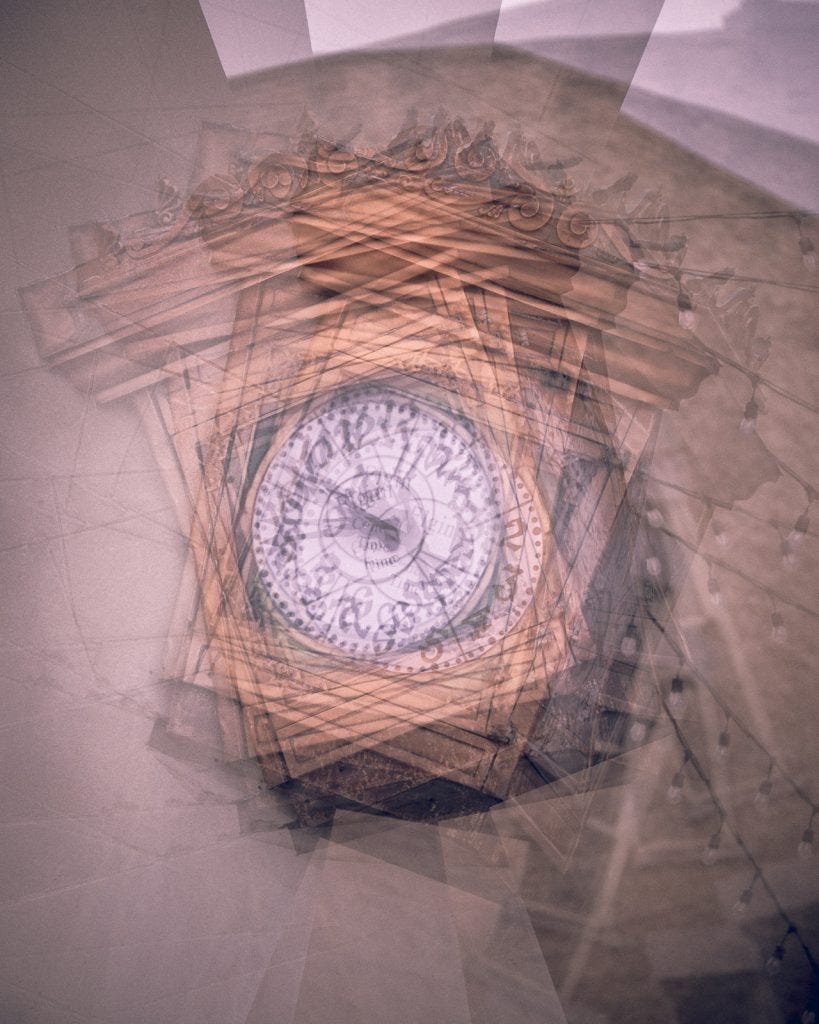
What else can you do?
One other fun thing to do with double exposures: create a project with another photographer.
I’ve done this 4 times so far and have another roll of film sitting on my desk to load into my camera.
Each of you photographs a roll of film.
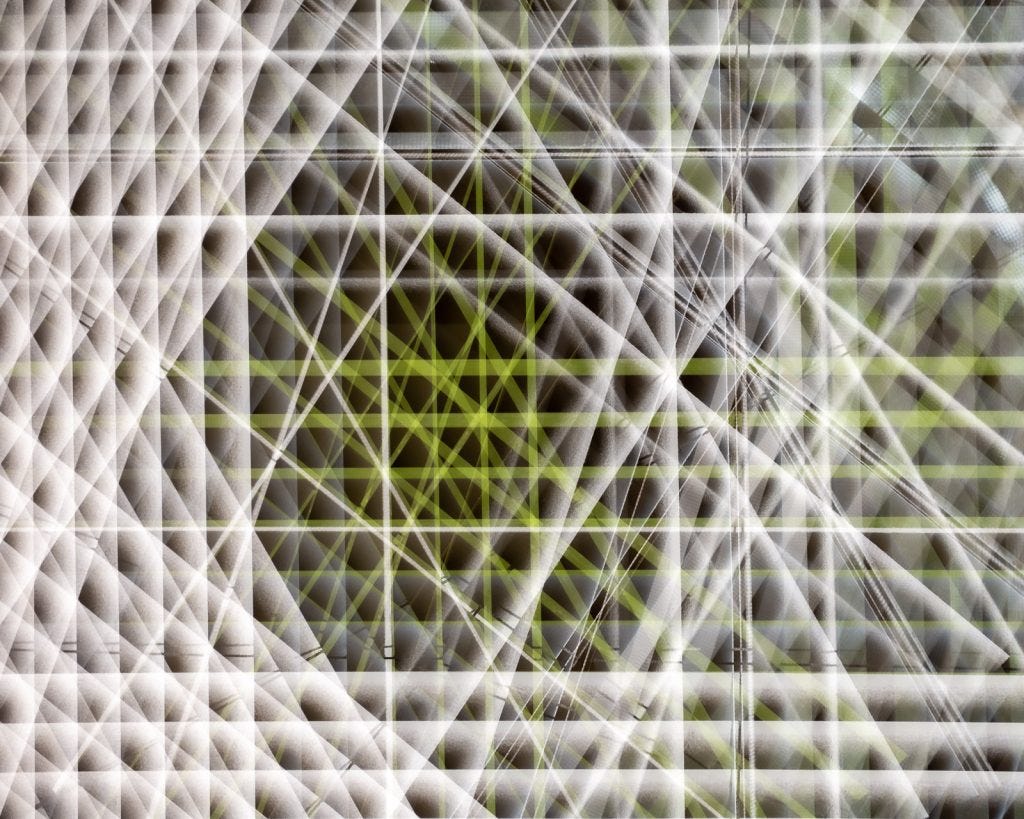
Be careful when winding it in and leave enough of the film out for someone else to reload.
You exchange film, shoot over what they shot and then have it developed.
The results are interesting and beyond what you can imagine.
Creating multiple-exposure images is another technique that is fun to just let go and create.
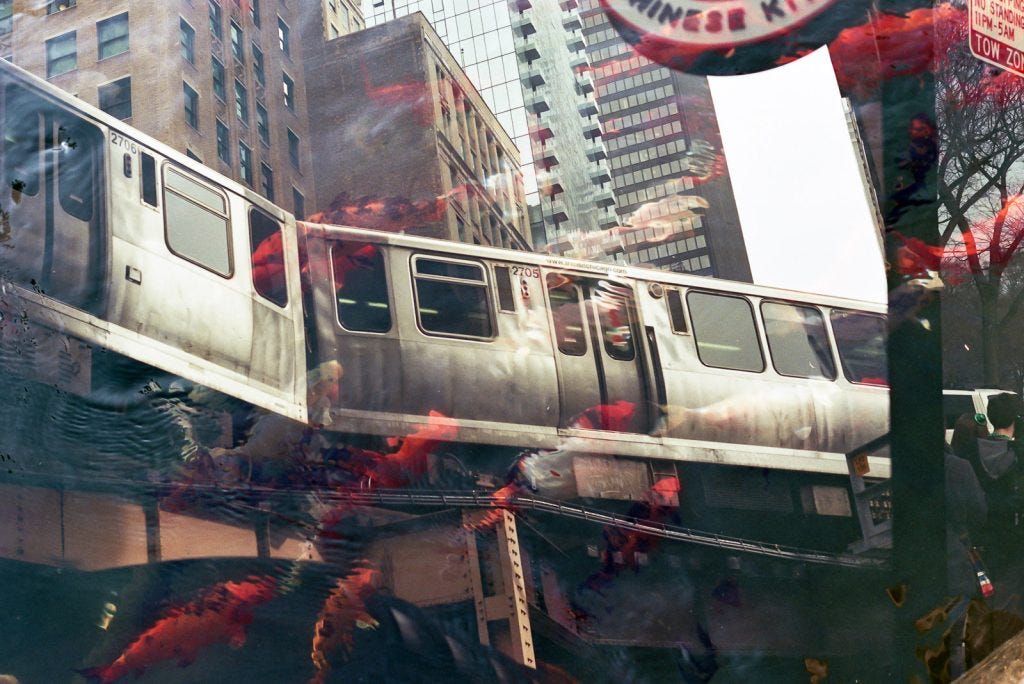
See what happens.
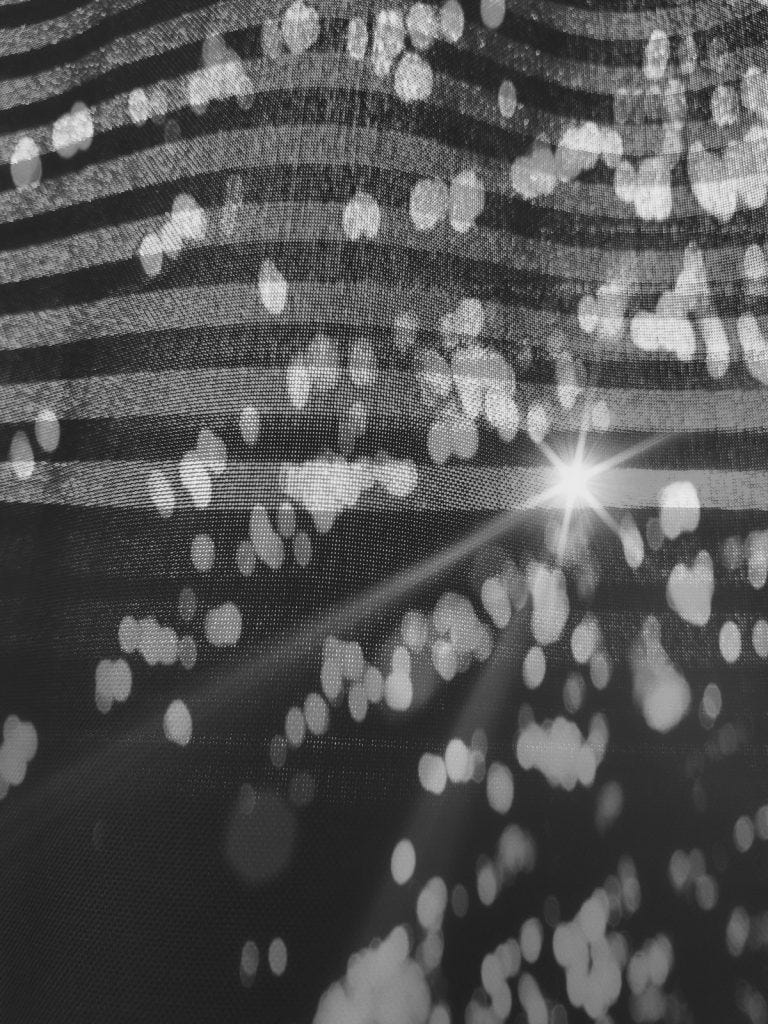
Ask WHAT IF?
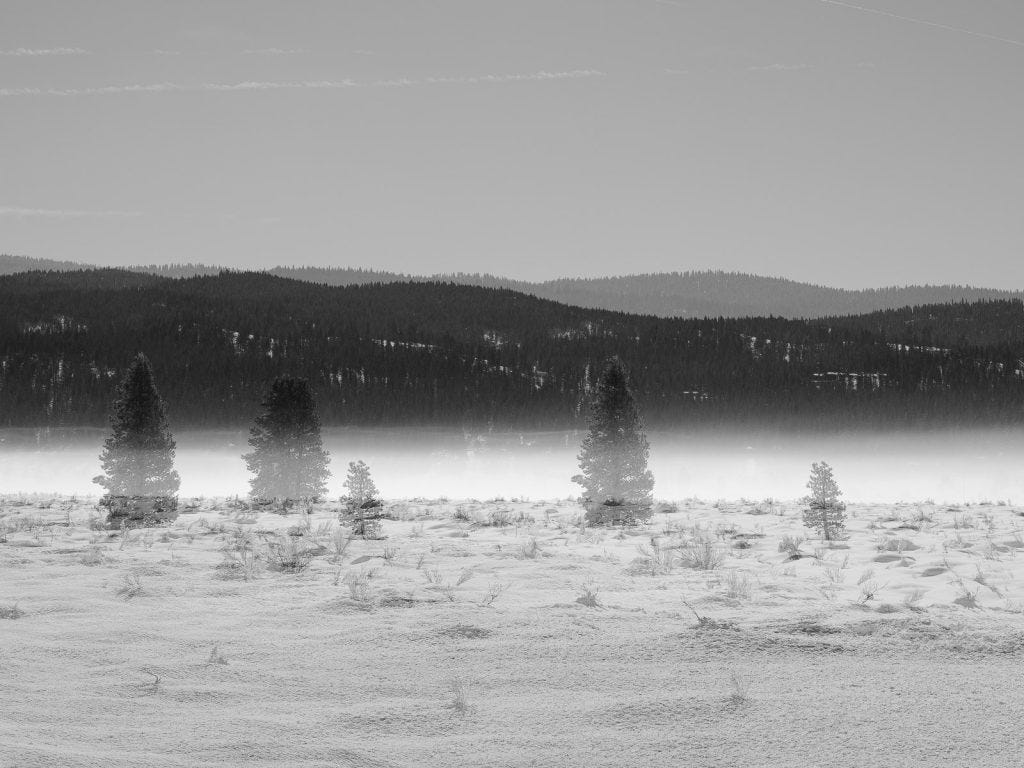
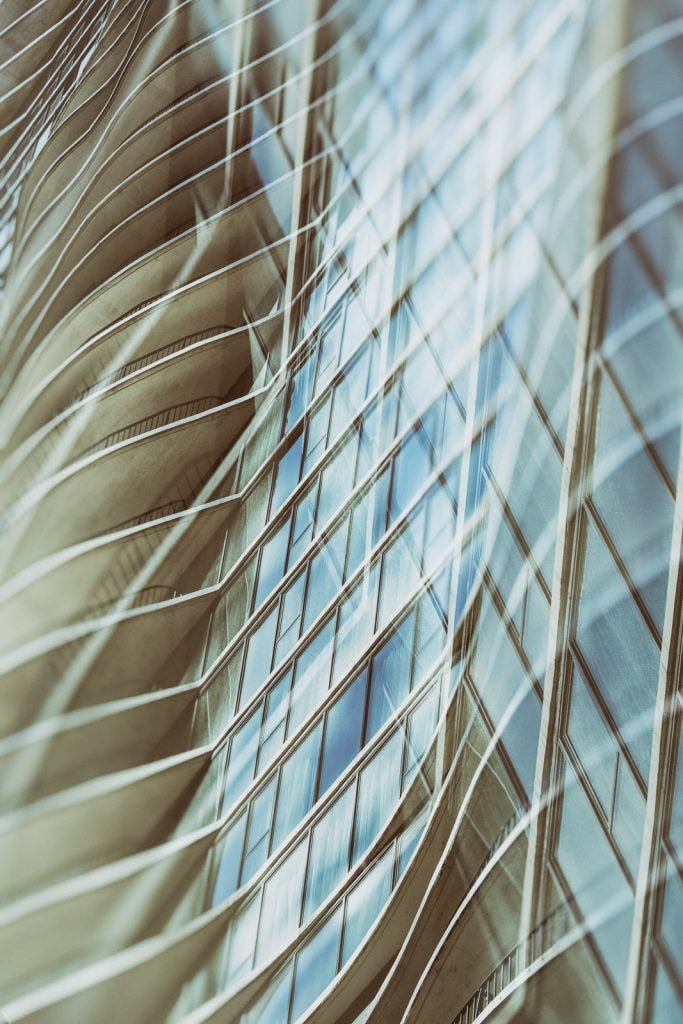
I typically use 5 exposures when creating in camera multiple exposures. It keeps the image from being too messy and cluttered, yet enough to make the image more interesting.
I have a Canon 6D and it can do 2 to 9 multiple exposures. Check your camera’s capabilities. If you can’t do them in camera, try using post-processing to get the effects you want.
I am quite deliberate about the rotation or movement of the camera in between shots. The composition is still important and I’m very aware of the shapes and movement I’m creating. That said, sometimes it’s good to let go and randomly move the camera to see what results can happen.
PLAY!
Examples
Several examples of different subjects. The sky is the limit here; use your imagination to choose subjects you think might be interesting as a multiple exposure image.


HAVE FUN!
Here are a couple of other articles that may help you pick up that camera and create.
Cheryl's Photos and Memoirs Jane DiCampo you might find this interesting.
If you are enjoying my stories and would like to support my art and writing, you can choose one of the following ways to do so:
Like, comment or share my stories. This is free to do. Sharing is caring, as they say.
Go shopping on my Fine Art Photography site. There are prints, limited edition prints, a book and handmade chapbooks and zines.
It definitely looks fun!
I love the one of Aqua